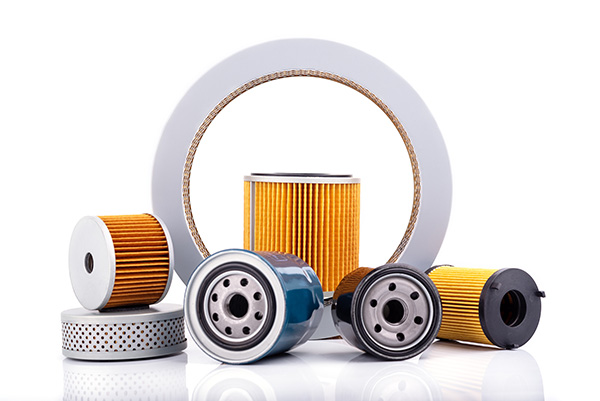
Filters are easy to forget because they do their job quietly. You do not see them working, and most of the time you only think about them when something feels off, like weak airflow from the vents or a car that suddenly feels sluggish.
The problem is that filters are part of what keeps your car healthy in the long term. When they clog or degrade, other parts work harder, wear faster, or get contaminated. Here are five filters that matter the most, plus practical timing guidance so you are not replacing them too early or too late.
Why Filters Matter More Than Most Drivers Think
Filters sit between clean and dirty. That sounds basic, but it has big consequences. A clogged filter restricts flow, which changes how systems operate. An old filter can also let contaminants through, potentially damaging components that cost much more than the filter itself.
The other reason filters matter is that symptoms show up late. A filter can be overdue long before you feel it in day-to-day driving. That is why checking them on a schedule is usually smarter than waiting for a noticeable problem.
1. Engine Air Filter: Protects Airflow And Engine Components
The engine air filter keeps dust and debris out of the intake system. Over time, it loads up and restricts airflow. That can make acceleration feel a bit lazy and can hurt fuel economy in some cases.
A practical replacement window for many drivers is roughly every 12,000 to 20,000 miles. Dusty conditions, frequent construction zones, and dirt roads can shorten that interval. If you drive in those conditions, it makes sense to inspect it more often rather than relying on one fixed number.
If the filter looks dark, packed, or debris-filled when inspected, it is usually due. Replacing it is simple and can prevent the engine from working harder than it needs to.
2. Cabin Air Filter: Keeps Vent Air Cleaner And Protects HVAC Airflow
The cabin air filter cleans the air that comes through the vents. When it clogs, the first sign is usually reduced airflow. People sometimes assume the blower motor is weak, but the filter is the easier thing to check first.
Most cabin filters do well with replacement every 12,000 to 15,000 miles, or about once a year. If you run the heater or AC often, park under trees, or deal with heavy pollen seasons, the filter can clog sooner.
A clogged cabin filter can also contribute to musty odors because it traps moisture and debris. If the vents smell off when you first turn them on, the cabin filter condition is a smart place to start.
3. Oil Filter: Protects Engine Oil From Contaminants
The oil filter captures particles and sludge that circulate in the oil. It is doing hard work the entire time the engine runs. That is why it should be replaced with every oil change, not stretched across multiple intervals.
Oil itself degrades with time and heat, and contaminants build up. The oil filter is part of the system that keeps oil from becoming abrasive. Skipping an oil filter replacement can reduce the benefit of fresh oil.
A good oil service includes the correct oil type and the correct filter. Cheap filters have poor flow and reduced capacity. That is important, especially on vehicles that run longer oil intervals.
4. Fuel Filter: Protects Injectors And Fuel Delivery
Not every modern vehicle has a traditional, easy-to-replace fuel filter, but many still do. The purpose is to trap dirt and debris before it reaches the injectors. Injectors have tight tolerances, so contamination can create drivability problems and misfires.
Replacement intervals vary widely by vehicle. Some manufacturers specify replacement around 30,000 to 60,000 miles. Others integrate the filter into the fuel pump assembly and do not list a regular interval, but that does not mean the system is immune to contamination.
If you notice hesitation under load, hard starts, or a lack of power that does not match your normal driving, fuel delivery becomes one possible angle. A filter check and fuel pressure test can help confirm whether restriction is part of the problem.
5. Transmission Filter: Helps Fluid Stay Cleaner Under Heat And Wear
Some transmissions have serviceable filters, and some use screens or integrated designs. When the filter is serviceable, it helps keep particles from circulating and protects internal components. This matters because transmissions generate heat and wear material, even under normal driving.
Intervals vary by design and driving conditions. Vehicles used for towing, heavy loads, or frequent stop-and-go driving may need transmission service sooner than a vehicle that mostly cruises. If your vehicle has a serviceable filter and you've ignored the service interval for years, fluid and filter service can be a smart preventive move.
A Simple Way To Stay On Track Without Overthinking It
If you want an easy routine, tie filter checks to services you already do. Cabin and engine air filters can be checked during oil changes. Fuel and transmission filters depend more on vehicle design and mileage, so those are best handled with a maintenance plan based on your make and model.
The goal is not to replace everything constantly. The goal is to replace the filters that are actually due, before they start restricting flow or letting contamination through.
Get Filter Service in Atlantic City, NJ, with Sunny Service Center
We can inspect your engine air filter, cabin air filter, oil filter setup, and any serviceable fuel or transmission filters your vehicle uses, then recommend replacement based on real condition and your driving habits. We’ll help you stay ahead of airflow and fluid contamination issues without overdoing maintenance.
Call Sunny Service Center in Atlantic City, NJ, to schedule service and keep your car’s key systems protected.