Posted on 8/28/2026

A hard pothole hit can leave you wondering whether something actually got damaged or the wheel simply needs to be balanced again. The steering wheel might start shaking on the highway, the car could feel different through the seat, or you might notice a vibration that was not there the day before. Bent wheels and balance problems can feel surprisingly similar from behind the wheel. The speed where the vibration shows up, how the tire looks, and what we see once the wheel is spinning on equipment help separate the two. A Balance Problem Tends to Follow Vehicle Speed An out-of-balance tire and wheel assembly has one area that is heavier than the rest. As speed increases, that weight difference starts creating a repeating vibration. Many drivers first notice it somewhere around highway speed, then feel it change as they speed up or slow down. If the problem is in a front wheel, the steering wheel tends to show more of the vibration. A rear imbalance can be felt throug ... read more
Posted on 7/31/2026
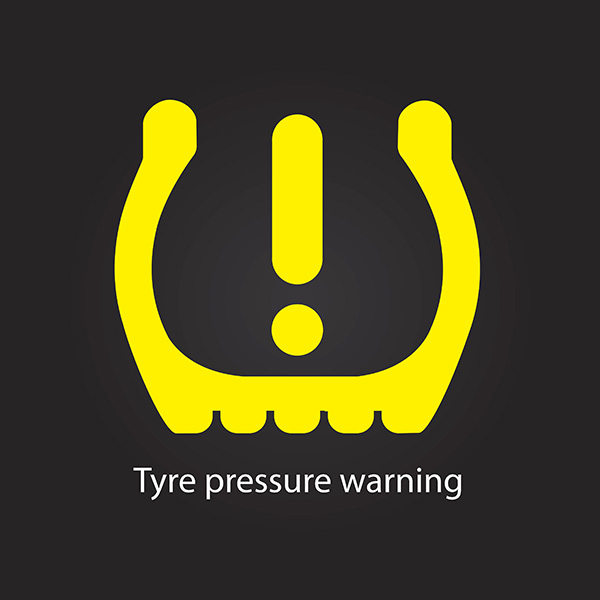
Every driver has a slightly different relationship with their dashboard. Some people treat warning lights like an absolute emergency, pulling over immediately, while others ignore them for weeks. But there is one specific light that tends to cause an awful lot of head-scratching. It looks like a little yellow horseshoe with ridges on the bottom and an exclamation point right in the middle. If you are staring at this symbol right now, you aren't alone. That is your TPMS light. At our shop, we see this light glowing on dozens of dashboards every single week. It is one of the most active warning systems in a modern vehicle. While it is designed to keep you safe, it can sometimes feel a bit like the boy who cried wolf, popping on during a cold morning only to disappear later in the day. Let us look at what your TPMS system actually does, why it illuminates, and how to handle it when it catches your eye. What Exactly Is TPMS? To understand the light, it helps to kno ... read more
Posted on 6/26/2026
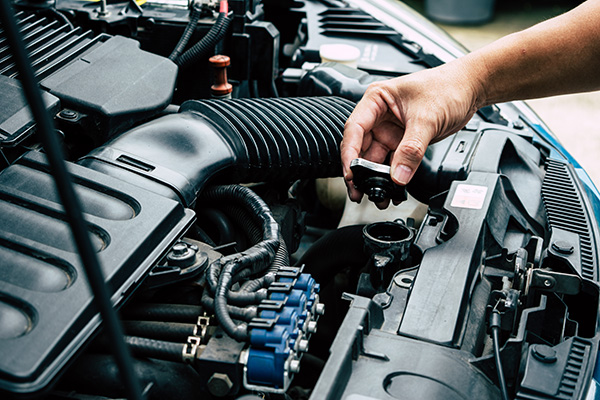
We have all seen that one unfortunate vehicle on the side of the interstate during a scorching July afternoon. Its hood is propped open, a thick cloud of white steam is billowing into the sky, and the driver is standing on the shoulder looking completely miserable. It is the classic image of an overheated engine. As mechanics who spend our days keeping vehicles healthy, we know that ninety percent of these heartbreaking roadside breakdowns could have been prevented with a simple, routine service. We are talking about a coolant flush. There is a lot of misinformation out there about fluid maintenance. Some drivers believe that changing their coolant is a myth invented by repair shops just to add an extra line item to their service bill. Others think that as long as the fluid reservoir looks full, everything is perfectly fine under the hood. At our shop, we like to bust these myths with plain facts. Your car's cooling system is its only defense against the brutal temperatures of sum ... read more
Posted on 5/29/2026
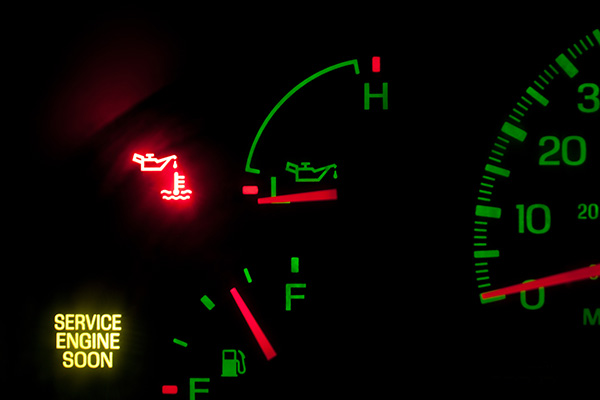
An oil warning light can make a driver freeze for a second. Yellow feels like maybe you have time. Red feels worse, and it should. The tricky part is that not every oil light means the same thing on every vehicle. Color, symbol, and timing all matter. Some oil warning lights indicate a low oil level. Others point to low oil pressure, which is much more serious. Either way, the light is not something to ignore until the next oil change. Yellow Usually Means Check The Oil Soon A yellow or amber oil light often indicates a low oil level or that the vehicle wants the oil level checked. On some cars, it may also relate to oil condition or an oil level sensor. The meaning depends on the make and model, so the owner’s manual can help confirm the exact warning. If the light is yellow and the engine sounds normal, you may have enough time to pull over safely, shut the engine off, and check the oil level. Do not keep driving for days because the car still feels fine ... read more
Posted on 4/30/2026
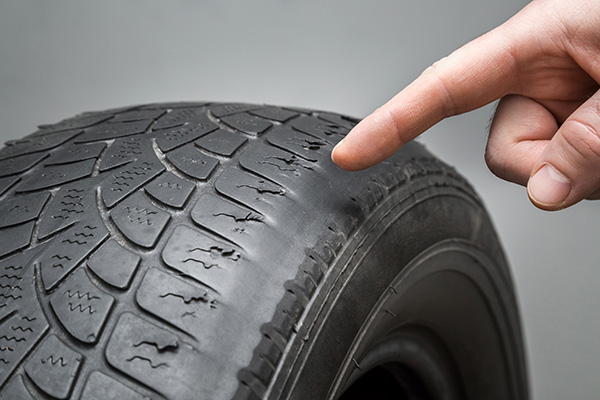
Tires rarely wear out perfectly evenly. Small differences are normal over time, but noticeable uneven wear is usually a sign that something else is going on with the vehicle. Many drivers first spot it during a rotation or when replacing tires, only to realize that one section wears much faster than the rest. Uneven tire wear is more than a cosmetic issue. It affects handling, traction, and tire wear. Identifying the cause early can save money and improve your car's performance. Improper Wheel Alignment Alignment is one of the most common causes of uneven tire wear. When the wheels are not angled correctly, certain parts of the tire make more contact with the road than others. You might notice the vehicle pulling slightly to one side or the steering wheel not sitting straight. Over time, this uneven contact leads to faster wear on one edge of the tire. Even a minor alignment issue can have a noticeable effect if left uncorrected. Worn Suspension Compon ... read more
Posted on 3/27/2026
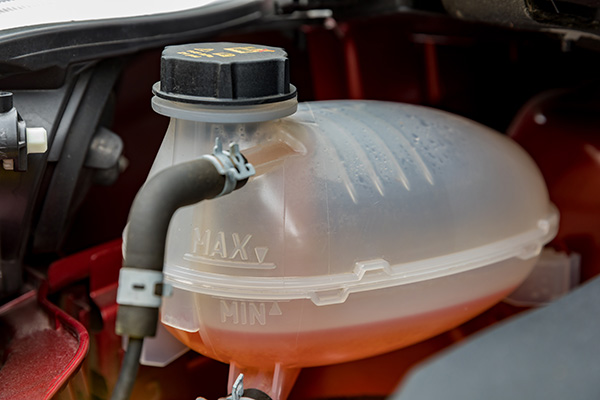
Low coolant is one of those problems people talk themselves into postponing. The car still starts, still moves, and may not even look like it is running hot at first, so it feels easier to keep driving and deal with it later. That is usually how a manageable cooling system repair turns into a much bigger engine problem. Coolant loss is never something the engine just shrugs off. Why Low Coolant Gets Serious So Fast Your cooling system is designed to remove heat from the engine and keep operating temperatures under control in traffic, on the highway, and during hot weather. Once the coolant level drops, that safety cushion gets smaller right away. The system may still function for a while, but it has far less room for error. That is why a car with low coolant can seem normal on one trip and start running hotter on the next. A little more traffic, a warmer day, or a longer drive can be enough to push it past the point where the system can keep up. What Low C ... read more
Posted on 2/27/2026

Steering that feels heavier when you are parking or creeping through a lot can be more than an annoyance. Low-speed steering is when your system has to work the hardest because the tires are not rolling fast enough to help you out. If the assist is weak, you feel it right away in tight turns and when backing into a spot. The sooner you track down the cause, the less likely you are to end up with a no-assist surprise mid-turn. Why Steering Gets Heavy At Low Speeds At parking speeds, the front tires have a lot of grip against the pavement, so the steering system has to overcome more resistance. When you are driving faster, the tires roll more easily and the car naturally wants to track straight, so even weak assist can feel fine. That is why a problem often hides until you are turning the wheel in a slow, tight maneuver. Heavier steering can show up gradually or suddenly. Gradual changes usually point to wear, fluid condition, or a small leak that has been building ... read more
Posted on 1/30/2026
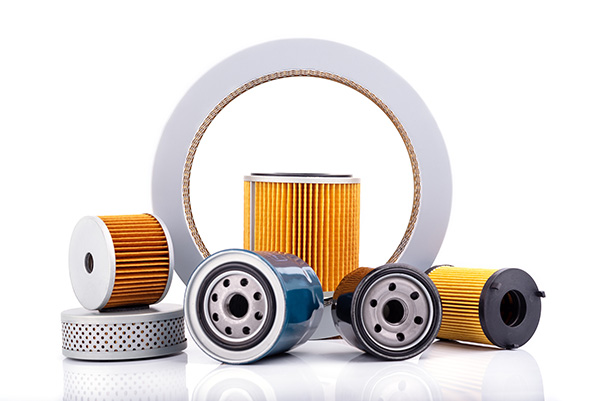
Filters are easy to forget because they do their job quietly. You do not see them working, and most of the time you only think about them when something feels off, like weak airflow from the vents or a car that suddenly feels sluggish. The problem is that filters are part of what keeps your car healthy in the long term. When they clog or degrade, other parts work harder, wear faster, or get contaminated. Here are five filters that matter the most, plus practical timing guidance so you are not replacing them too early or too late. Why Filters Matter More Than Most Drivers Think Filters sit between clean and dirty. That sounds basic, but it has big consequences. A clogged filter restricts flow, which changes how systems operate. An old filter can also let contaminants through, potentially damaging components that cost much more than the filter itself. The other reason filters matter is that symptoms show up late. A filter can be overdue long before you feel it in day ... read more