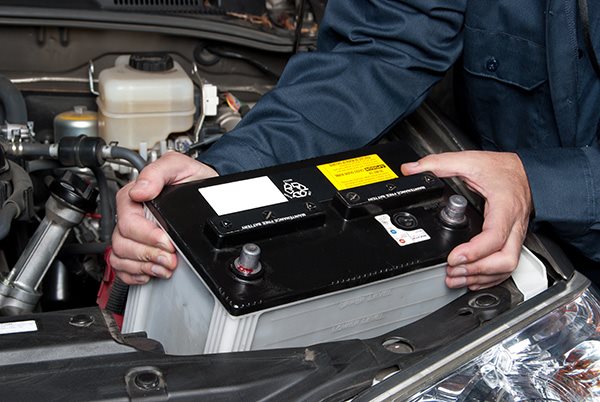
A fresh battery seemed to fix the car for a few days. Then the engine struggled to start again, and you're back looking for a jump. When the same problem returns after replacement, the battery isn't necessarily the cause. Charging faults, damaged connections, and unusual electrical draws can all leave it discharged. Testing the alternator and the rest of the electrical system is the next sensible step.
Why a Good Battery Still Needs a Charging System
The battery provides starting energy and helps stabilize electrical power. Once the engine is running, the alternator produces electricity for the vehicle's systems and replenishes energy used during starting. If charging output is inadequate, the car gradually uses the battery's remaining reserve. The engine may continue running for a while, but available voltage eventually falls too low for normal operation.
A replacement battery sometimes disguises a charging fault because it starts with a full charge. After several trips, the same symptoms return. We compare battery condition with charging performance before deciding what needs repair. The inspection also considers the battery monitoring system on vehicles that use intelligent charging controls, since voltage behavior varies by model.
A Battery Warning Light Often Points to Charging Trouble
The battery-shaped dashboard symbol frequently warns about a problem with charging while the engine is running. Drivers sometimes assume the symbol means a dead battery and buy one immediately. In reality, a loose alternator belt, failed alternator, poor cable, or control issue can trigger that warning. The light is a reason to investigate the system, not an instruction to replace a particular component.
If the warning appears during a drive, electrical accessories may begin behaving strangely as voltage falls. Headlights dim, displays reset, or power steering assistance changes on certain vehicles. Avoid unnecessary electrical loads and stop safely if the car is losing power. A charging failure can leave the vehicle unable to restart or running unpredictably, so arranging assistance is safer than trying to finish a long trip.
Alternator Problems Aren't Always Constant
An alternator contains rotating parts and electronic regulation components that operate under heat, vibration, and load. A failing component sometimes works normally at idle but struggles once the vehicle warms up or accessories switch on. Worn bearings produce noise, while damaged wiring or connections interrupt output without any obvious mechanical sound. Some systems also vary charging voltage deliberately to improve efficiency.
Did the problem begin after a long rainy drive or after an accessory was installed? That history can narrow the first checks. We measure charging performance under the conditions that reproduce the problem and inspect the drive belt where one is used. An alternator that's functioning correctly during a single idle test still needs further investigation if the symptoms are intermittent.
Corroded Cables Can Prevent Proper Charging
The alternator and battery depend on low-resistance electrical paths. Corrosion at terminals, damaged ground straps, or loose cable connections create voltage loss when substantial current flows. A battery may receive inadequate charging power even though the alternator itself is producing electricity. Bad connections also cause slow cranking, making them easy to confuse with a weak battery or starter.
A voltage-drop inspection identifies excessive resistance while the circuit is operating. Visual checks remain valuable, but corrosion sometimes hides beneath insulation or inside a terminal connection.
Replacing an alternator without testing its output cable and grounds risks leaving the original problem untouched. Good maintenance includes cleaning and securing battery connections, while damaged cables require proper repair or replacement.
What if the Battery Dies Only While Parked?
A battery that discharges overnight may have a different problem. Interior lights, aftermarket electronics, a faulty switch, or a module that remains awake can draw current after the vehicle is shut off.
The charging system might pass every test during driving. Older batteries also lose usable capacity and self-discharge faster, especially after repeated deep discharges. Testing needs to distinguish a poor battery from an abnormal parked current draw.
Check if the car starts normally after driving but struggles after two days of parking. That pattern helps decide which test belongs next. Some modern cars take considerable time to enter low-power sleep mode, so accurate draw measurements require the right procedure. A quick reading taken immediately after shutting the door may be misleading. The inspection follows the actual symptom, not a guess.
When You Should Have the Electrical System Tested
A repeat no-start is inconvenient, but some symptoms also create safety concerns. A charging warning with fading lights, a burning smell near electrical components, or sudden loss of assistance requires immediate evaluation. If the engine stalls or the vehicle becomes difficult to control, stop safely and request help. Repeated jump-starts aren't a maintenance strategy, and they don't correct the fault that drained the battery.
Report any of these clues:
- A recently installed battery that goes flat again
- The battery warning while the engine is running
- Lights dimming when accessories switch on
- Difficulty starting after the vehicle sits overnight
- New electronics or electrical repairs
Keep the invoices from recent battery and alternator work. They provide useful context and prevent repeated replacement of parts that have already tested good.
Verify Both Charging and Battery Health After Repair
Correcting a failed alternator doesn't automatically restore a battery damaged by repeated deep discharge. The battery needs adequate charging and a follow-up capacity test. Depending on the vehicle, battery replacement may also require registration or configuration. We confirm the charging behavior and starting performance before recommending that the problem is resolved.
A final inspection includes checking for loose connections, warning lights, and abnormal electrical loads if the history calls for it. Documented test results help you understand why the battery kept dying and what to monitor next. With the cause corrected, the car should start predictably without another cycle of roadside jumps.
Get Charging System and Battery Inspection in Atlantic City, NJ, With Sunny Service Center
Sunny Service Center in Atlantic City, NJ, investigates recurring dead batteries, alternator faults, and electrical drain problems. We'll review test findings and explain the repair options.
Call Sunny Service Center or schedule your battery and alternator inspection online today.