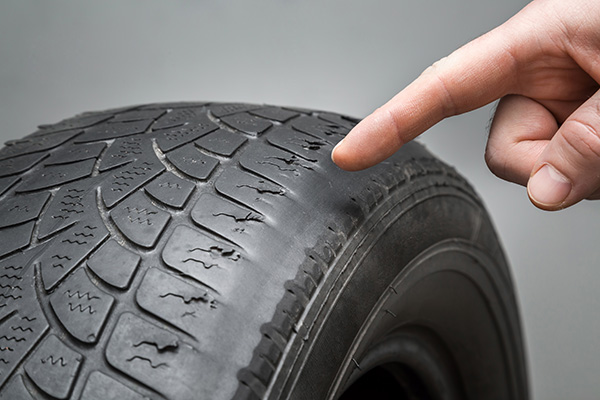
Tires rarely wear out perfectly evenly. Small differences are normal over time, but noticeable uneven wear is usually a sign that something else is going on with the vehicle. Many drivers first spot it during a rotation or when replacing tires, only to realize that one section wears much faster than the rest.
Uneven tire wear is more than a cosmetic issue. It affects handling, traction, and tire wear. Identifying the cause early can save money and improve your car's performance.
Improper Wheel Alignment
Alignment is one of the most common causes of uneven tire wear. When the wheels are not angled correctly, certain parts of the tire make more contact with the road than others.
You might notice the vehicle pulling slightly to one side or the steering wheel not sitting straight. Over time, this uneven contact leads to faster wear on one edge of the tire. Even a minor alignment issue can have a noticeable effect if left uncorrected.
Worn Suspension Components
Suspension parts like shocks, struts, bushings, and control arms help keep the tires stable and evenly in contact with the road. When these components wear out, they allow extra movement.
That movement changes how the tire meets the road surface. Instead of consistent contact, parts of the tire take on more load than others. This can create patchy or uneven wear patterns that get worse as the suspension continues to wear.
Incorrect Tire Pressure
Tire pressure directly affects tire wear. Underinflated tires tend to wear more on the outer edges, while overinflated tires wear more in the center.
Pressure changes naturally with temperature, so it is not unusual for tires to lose a small amount of air over time. When pressure is not checked regularly, though, the imbalance can lead to noticeable wear much sooner than expected.
Unbalanced Tires
Tire balancing ensures that weight is distributed evenly around the tire and wheel. If a tire is out of balance, it can create vibration, especially at higher speeds.
That vibration does not just affect comfort. It also causes uneven contact with the road, which leads to irregular wear patterns. Balancing is often checked when installing new tires, but it can shift over time.
Driving Habits and Road Conditions
How you drive affects tire wear. Hard braking, quick acceleration, and aggressive cornering all place extra stress on the tires. Over time, that stress shows up as uneven wear.
Road conditions matter as well. Rough roads, potholes, and frequent stop-and-go traffic can all contribute. While these factors are part of everyday driving, they can speed up wear when combined with other issues.
Rotation and Maintenance Timing
Tires wear differently depending on their position on the vehicle. Front tires often wear faster due to steering and braking forces, especially on front-wheel-drive vehicles.
Regular maintenance, including tire rotation, helps even out that wear. Skipping rotations allows certain tires to wear faster, leading to uneven patterns that could have been avoided.
Signs You Should Not Ignore
Uneven tire wear is not always obvious at a glance. There are a few signs that can help you catch it early:
- One side of the tire looks more worn than the other
- The vehicle pulls slightly while driving
- You feel vibration at certain speeds
- Tires look worn in patches instead of evenly
Noticing these signs early gives you a chance to correct the cause before replacing the tires.
Why It Affects More Than Just Tire Life
Uneven tire wear affects how your vehicle handles and stops. Tires with inconsistent tread do not grip the road evenly, which can reduce traction, especially in wet conditions.
It can also increase stopping distance and make the car feel less stable. Addressing the root cause helps restore proper handling and keeps the vehicle safer to drive.
How Regular Maintenance Helps Prevent Uneven Wear
Regular maintenance is the best way to prevent uneven tire wear. Checking alignment, monitoring tire pressure, and rotating tires on schedule all help keep wear consistent.
An inspection can also identify worn suspension parts before they start affecting the tires. Keeping everything in balance helps extend tire life and improve overall performance.
When to Schedule a Tire Inspection
If you notice uneven wear, vibration, or changes in how your vehicle drives, it is time for an inspection. Even small differences in tire condition can point to larger issues.
Getting it checked early helps prevent premature tire replacement and keeps your vehicle driving the way it should.
Get Tire Service In Atlantic City, NJ, With Sunny Service Center
If your tires are wearing unevenly or your car isn't driving the way it used to, Sunny Service Center in Atlantic City, NJ, can inspect your vehicle and identify the cause.
Call today to schedule your appointment and keep your tires wearing evenly and lasting longer on the road.