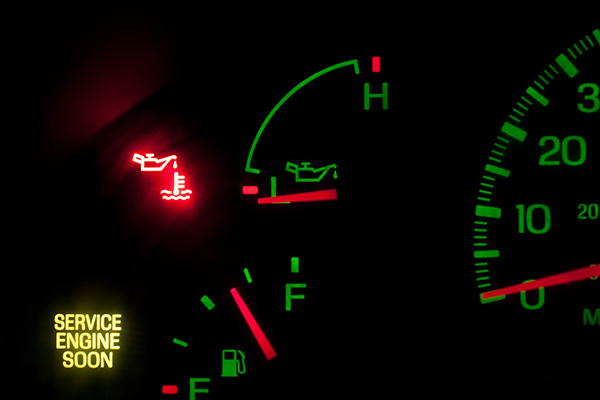
An oil warning light can make a driver freeze for a second. Yellow feels like maybe you have time. Red feels worse, and it should. The tricky part is that not every oil light means the same thing on every vehicle.
Color, symbol, and timing all matter.
Some oil warning lights indicate a low oil level. Others point to low oil pressure, which is much more serious. Either way, the light is not something to ignore until the next oil change.
Yellow Usually Means Check The Oil Soon
A yellow or amber oil light often indicates a low oil level or that the vehicle wants the oil level checked. On some cars, it may also relate to oil condition or an oil level sensor. The meaning depends on the make and model, so the owner’s manual can help confirm the exact warning.
If the light is yellow and the engine sounds normal, you may have enough time to pull over safely, shut the engine off, and check the oil level. Do not keep driving for days because the car still feels fine. Low oil can turn into low oil pressure if the level drops far enough.
A yellow warning is the car's way of giving you a chance to act before the problem gets worse.
Red Usually Means Stop Driving
A red oil warning light is much more urgent. In many vehicles, a red oil light means low oil pressure. That is not the same as being a little overdue for service. It means the engine may not be getting enough oil pressure to protect internal parts.
If the red oil light comes on while driving, pull over safely and shut the engine off. Do not keep driving to see if it goes away. Bearings, camshafts, timing components, and other internal engine parts can be damaged quickly when oil pressure is too low.
Adding oil may help if the level is low, but it does not always fix the reason the pressure dropped. The engine needs to be checked before you trust it again.
Check The Oil Level The Right Way
If it is safe to do so, park on level ground and shut off the engine. Give the oil a few minutes to drain back into the oil pan. Pull the dipstick, wipe it clean, insert it fully, then pull it again to read the level.
If the level is low, add the correct oil slowly. Do not overfill it. Too much oil can create foaming, pressure problems, leaks, and other issues. After adding oil, recheck the dipstick.
If the oil level is normal but the oil light is red, do not assume everything is fine. A normal oil level does not guarantee proper oil pressure. A failing pump, a clogged pickup, internal wear, a sensor issue, or an oil flow problem can still be involved.
Low Oil Has A Reason
Oil does not disappear without a cause. The engine may be leaking, burning oil, or losing oil due to another problem. Some higher-mileage engines use oil between changes, but that still needs to be watched.
A clean driveway does not prove there is no leak. Oil can collect on splash shields, blow back under the car, or burn off on hot exhaust parts. A burnt-oil smell after driving can be the first clue.
If the oil level keeps dropping, write down how many miles it takes and how much oil you add. That detail helps a technician find the pattern during an inspection.
Do Not Treat The Oil Light Like A Reminder
An oil change reminder and an oil warning light are not the same thing. A maintenance reminder tells you service is due. An oil warning light indicates the vehicle has detected a level or pressure issue that may require attention now.
That difference matters. Waiting a few extra days for an oil change reminder is one thing. Driving with an oil pressure warning is a risk entirely different.
Regular maintenance helps prevent some oil-related problems, but it does not replace checking the level between services. A vehicle can be up to date on oil changes and still run low if it leaks or burns oil faster than expected.
Warning Signs That Make It More Serious
The oil light deserves faster attention if it comes with ticking, knocking, rattling, burning smells, smoke, rough running, or the engine feeling weaker than usual. Those signs can mean the engine is already struggling.
A flickering oil light is also worth taking seriously. If it flickers during braking, turns, or acceleration, the oil level may be low enough that the oil pickup is not staying covered. If it flickers at idle, pressure may be dropping at low engine speed.
Either way, do not keep testing it. The warning is already giving you information.
Get Low Oil Warning Light Service In Atlantic City, NJ, With Sunny Service Center
If your oil warning light turns yellow, red, flickers, or keeps coming back after adding oil, Sunny Service Center in Atlantic City, NJ, can check the oil level, oil pressure, leaks, sensor data, and related engine concerns.
Schedule a visit and find out why the warning came on before low oil or low pressure turns into serious engine damage.